
Breaking Free Starts With the Right Support
Recovery from addiction is one of the most challenging journeys a person can undertake, yet thousands of people successfully reclaim their lives every year with the right guidance and care. The path forward looks different for everyone — some need intensive medical supervision, while others thrive with outpatient counseling and peer support. That’s exactly why addiction services exist in so many forms, giving individuals access to personalized, evidence-based care that meets them where they are. Whether you’re seeking help for yourself or a loved one, understanding which services are available can be the turning point that changes everything.
Medical Detox: The Safest First Step
For many people, the first barrier to recovery is the physical dependence their body has developed on a substance. Attempting to quit cold turkey without medical supervision can be not only uncomfortable but genuinely dangerous — particularly with alcohol, benzodiazepines, or opioids. Medical detox provides round-the-clock monitoring by healthcare professionals who can manage withdrawal symptoms, administer medications when necessary, and ensure the patient remains stable throughout the process.
MD Home Detox takes this concept even further by offering professional detox services in the comfort of your own home. This approach eliminates the stress and stigma sometimes associated with checking into a facility, allowing patients to begin their recovery in a familiar, supportive environment. Medical detox is not a cure on its own, but it creates a clean, stable foundation from which deeper healing can begin.
Medication-Assisted Treatment (MAT)
One of the most evidence-backed approaches in modern addiction care is Medication-Assisted Treatment, commonly known as MAT. This method combines FDA-approved medications — such as buprenorphine, naltrexone, or methadone — with counseling and behavioral therapies to treat substance use disorders comprehensively. MAT is especially effective for opioid and alcohol use disorders, significantly reducing cravings, preventing relapse, and improving long-term outcomes.
A common misconception is that using medication to treat addiction is simply replacing one substance with another. In reality, MAT medications work differently in the brain, restoring balance to neurological function without producing the euphoric highs associated with misuse. When paired with therapy and ongoing support, MAT gives patients the neurological stability they need to engage meaningfully in their recovery work.
Individual and Group Therapy
Therapy is the emotional and psychological backbone of any solid recovery plan. Individual therapy provides a private, confidential space where patients can explore the root causes of their addiction — whether that’s trauma, anxiety, depression, or unresolved grief. Cognitive Behavioral Therapy (CBT), Dialectical Behavior Therapy (DBT), and Motivational Interviewing are among the most widely used and clinically proven approaches for addressing addictive behavior patterns.
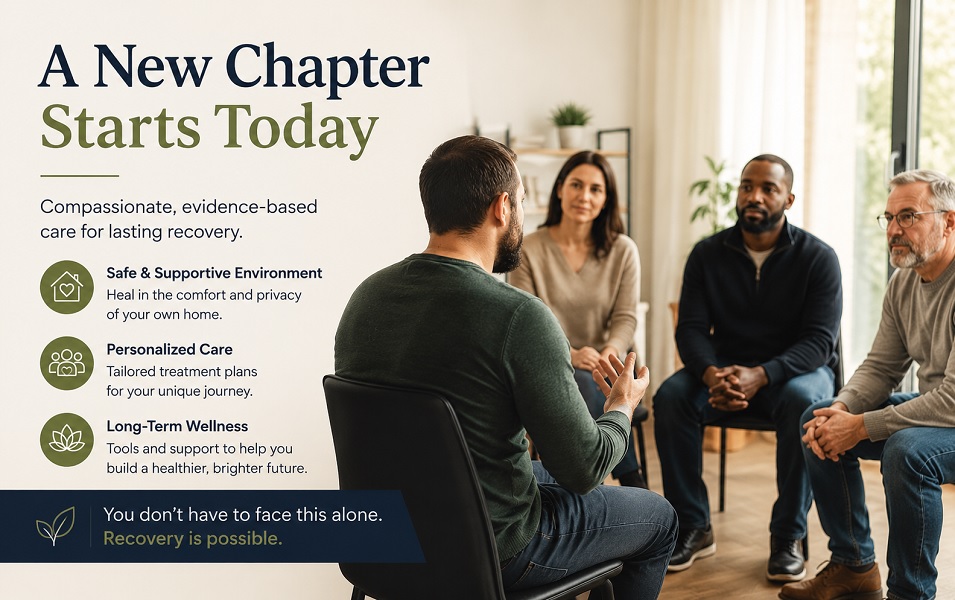
Group therapy, on the other hand, offers something uniquely powerful: the knowledge that you are not alone. Sitting in a room with others who understand exactly what you’re going through builds empathy, accountability, and a sense of belonging that many people in addiction have long been missing. Together, individual and group therapy create a two-pronged approach that addresses both the personal and social dimensions of recovery.
Intensive Outpatient Programs (IOP)
Not everyone can — or should — step away from their daily life to enter a residential treatment program. Intensive Outpatient Programs offer a structured, high-level treatment experience while allowing patients to continue living at home, maintaining work schedules, and caring for family. Typically involving several hours of therapy and support per week, IOPs are ideal for those who have already completed detox or inpatient treatment and are transitioning back into everyday life.
The flexibility of IOPs makes them accessible to a wider range of people, removing one of the most common barriers to seeking help. These programs still deliver comprehensive care — including individual counseling, group sessions, and relapse prevention planning — just within a more adaptable framework. For many people, an IOP is the bridge between intensive treatment and long-term independent recovery.
Dual Diagnosis Treatment
A significant number of people struggling with addiction are also dealing with an underlying mental health condition such as depression, anxiety, PTSD, or bipolar disorder. When both conditions exist simultaneously, it’s called a dual diagnosis or co-occurring disorder. Treating only the addiction without addressing the mental health component — or vice versa — dramatically increases the risk of relapse.
Dual diagnosis treatment integrates psychiatric care with addiction recovery services, ensuring both conditions are treated simultaneously by a coordinated team of professionals. This holistic approach recognizes that the two issues are often deeply intertwined, with one frequently fueling the other. Patients who receive dual diagnosis care experience better mental health outcomes, stronger sobriety rates, and a significantly improved quality of life over the long term.
Peer Support and Sober Coaching
Sometimes the most impactful guidance comes not from a clinician, but from someone who has walked the same road. Peer support specialists and sober coaches are individuals who have personal experience with addiction and recovery, and who are trained to provide encouragement, accountability, and practical guidance to others going through the process. This type of support is increasingly being recognized as a vital component of comprehensive addiction care.
Sober coaches can accompany clients to appointments, help them navigate everyday triggers, and provide real-time support during moments of vulnerability. Unlike a therapist, a sober coach is often available outside of scheduled sessions, offering a more fluid and responsive layer of support. These addiction services complement clinical treatment beautifully, filling the gap between formal care and real-world application.
Aftercare and Relapse Prevention Planning
Recovery doesn’t end when a treatment program does — in many ways, the work is just beginning. Aftercare services are designed to support individuals as they transition back into everyday life, providing ongoing structure, accountability, and resources to help maintain sobriety. This can include continued therapy sessions, participation in support groups like Alcoholics Anonymous or SMART Recovery, regular check-ins with a counselor, and access to community resources.
Relapse prevention planning is a key element of aftercare, helping individuals identify their personal triggers, develop healthy coping strategies, and create a clear action plan for high-risk situations. Studies consistently show that longer engagement in treatment — including aftercare — correlates strongly with sustained recovery. The goal isn’t perfection; it’s progress, resilience, and having the tools to get back on track when challenges arise.
Finding Help Has Never Been More Accessible
The landscape of recovery support has evolved dramatically, and today’s addiction services are more diverse, accessible, and effective than ever before. Whether someone needs the safety of medically supervised detox, the flexibility of an outpatient program, or the ongoing support of peer coaching, there is a pathway designed to fit their specific needs and circumstances. Organizations like MD Home Detox are leading the way in making quality, compassionate care available outside of traditional clinical settings.
If you or someone you love is struggling, reaching out is the bravest and most important step you can take. Recovery is not a straight line, but with the right support system in place, it is absolutely achievable. The services outlined here represent the best that modern addiction care has to offer — and they are available to you right now.