
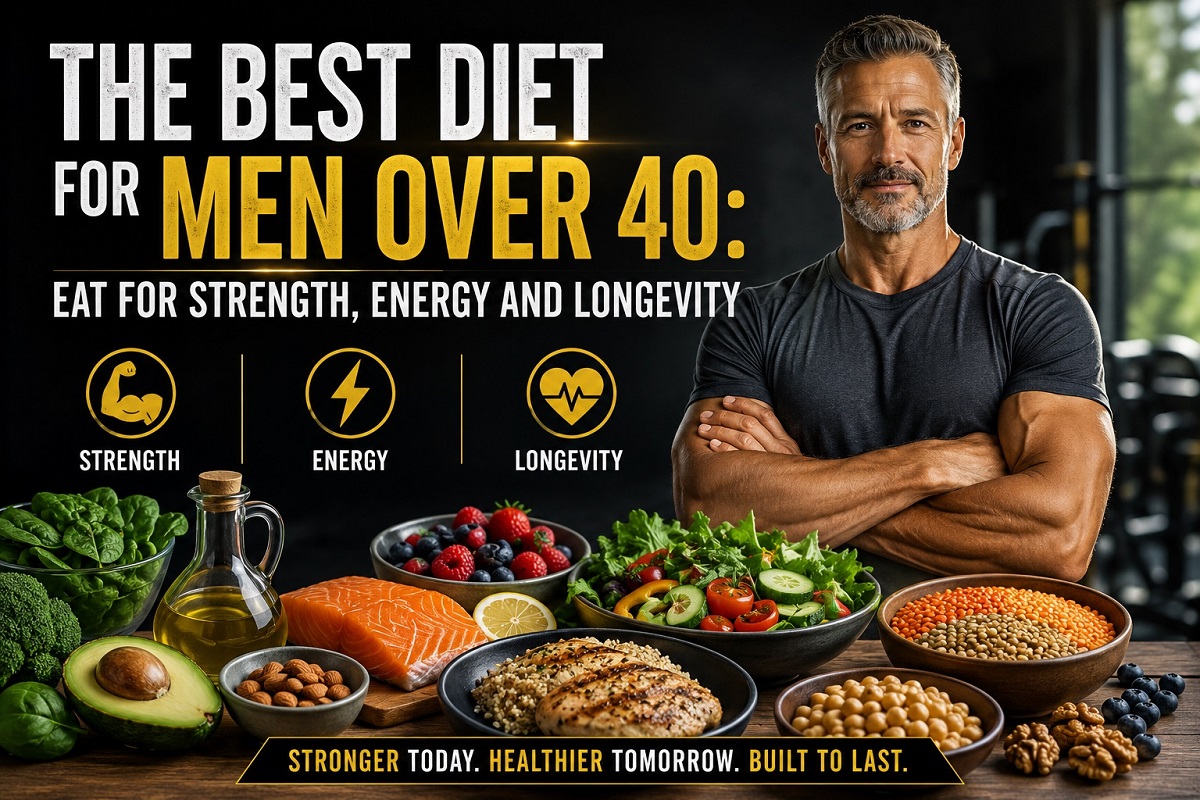
Turning 40 is not the beginning of decline—it is the beginning of a new chapter where your body rewards smarter choices more than ever before. While you may not recover as quickly from workouts as you did in your twenties, you can still build muscle, maintain a healthy weight, enjoy excellent energy levels, and reduce your risk of chronic disease by eating the right foods.
The diet that worked in your younger years may no longer deliver the same results. As men age, metabolism naturally slows, muscle mass gradually declines, hormone levels begin to change, and the body’s ability to recover becomes less efficient. Fortunately, nutrition is one of the most powerful tools you have to slow these changes and continue feeling strong and healthy well into later life.
The best diet for men over 40 is not based on fad diets, expensive supplements or extreme restrictions. It is built on high-quality protein, fibre-rich foods, healthy fats, nutrient-dense whole foods and sustainable eating habits that you can maintain for life.
If you’re looking for proof that simple, nutritious food can produce extraordinary results, don’t miss The Simple Salad That Sparked the Most Remarkable 30-Day Transformation I’ve Ever Experienced. Discover how an affordable combination of whole foods helped reduce cravings, improve energy levels, support fat loss, and transform my daily habits in just one month. It may inspire you to rethink what a truly healthy meal can do.
Prioritise Protein to Preserve Muscle and Strength
After the age of 40, men naturally begin to lose muscle mass, a process known as sarcopenia. Losing muscle not only reduces strength but also slows metabolism, making it easier to gain body fat.
Protein becomes even more important because it provides the building blocks needed to repair and maintain muscle tissue.
Aim to include a quality source of protein with every meal.
Excellent choices include:
- Eggs
- Fish such as salmon, sardines and mackerel
- Chicken and turkey
- Lean beef in moderation
- Greek yoghurt
- Cottage cheese
- Lentils
- Chickpeas
- Black beans
- Tofu and tempeh
Protein also helps keep you fuller for longer, reducing unnecessary snacking and supporting healthy weight management.
If you exercise regularly or perform strength training, your protein requirements may be higher than those of a sedentary individual.
Fill Your Plate with Fibre
Many men consume far less fibre than recommended, yet fibre is one of the most important nutrients for healthy ageing.
Fibre helps:
- Improve digestion
- Support healthy gut bacteria
- Lower cholesterol
- Stabilise blood sugar
- Reduce cravings
- Promote long-lasting fullness
- Support heart health
Aim to eat a wide variety of fibre-rich foods every day.
Excellent sources include:
- Vegetables
- Leafy greens
- Beans
- Lentils
- Chickpeas
- Oats
- Whole grains
- Apples
- Pears
- Berries
- Seeds
- Nuts
A colourful plate generally provides a wider range of vitamins, minerals and antioxidants that help protect the body from ageing and disease.
Choose Healthy Fats for Hormone and Brain Health
Not all fats are harmful. In fact, healthy fats are essential for maintaining hormone production, supporting brain function, reducing inflammation and promoting heart health.
Good sources include:
- Extra virgin olive oil
- Avocados
- Walnuts
- Almonds
- Brazil nuts
- Chia seeds
- Flaxseeds
- Pumpkin seeds
- Oily fish
Omega-3 fats found in salmon, sardines and mackerel are particularly valuable because they support cardiovascular health, cognitive function and joint health.
Try replacing butter and highly processed vegetable oils with extra virgin olive oil whenever possible.
Build Your Diet Around Whole Foods
Whole foods provide far more nutrition than ultra-processed foods.
Instead of counting calories obsessively, focus on the quality of the foods you eat.
A whole-food diet includes:
- Fresh vegetables
- Fruits
- Beans and legumes
- Whole grains
- Lean proteins
- Fish
- Nuts
- Seeds
- Herbs and spices
Limit foods that are heavily processed, including:
- Sugary drinks
- Cakes
- Biscuits
- Sweets
- Fast food
- Refined cereals
- Highly processed snacks
Whole foods naturally contain vitamins, minerals, antioxidants and phytochemicals that work together to support long-term health.
Eat More Anti-Inflammatory Foods
Low-grade chronic inflammation has been linked to heart disease, diabetes, arthritis and cognitive decline.
Fortunately, many foods naturally help reduce inflammation.
Include plenty of:
- Colourful vegetables
- Berries
- Tomatoes
- Leafy greens
- Garlic
- Ginger
- Turmeric
- Green tea
- Olive oil
- Fatty fish
Adding herbs and spices to your meals is a simple way to increase antioxidant intake while improving flavour.
Don’t Fear Healthy Carbohydrates
Carbohydrates often receive unnecessary criticism.
The real problem is not carbohydrates themselves but highly refined versions such as white bread, sugary cereals, pastries and sweets.
Instead, choose carbohydrates that digest slowly and provide fibre, vitamins and minerals.
Better options include:
- Sweet potatoes
- Oats
- Brown rice
- Quinoa
- Beans
- Lentils
- Fruits
- Vegetables
These foods provide sustained energy throughout the day while helping maintain stable blood sugar levels.
Stay Hydrated
As we age, the sensation of thirst often becomes less noticeable, making dehydration more common.
Even mild dehydration can reduce concentration, increase fatigue and impair physical performance.
Drink water consistently throughout the day rather than waiting until you feel thirsty.
Foods with high water content, such as cucumbers, watermelon, oranges and leafy greens, also contribute to hydration.
Support Bone Health
Maintaining strong bones becomes increasingly important after 40.
Ensure your diet includes adequate:
- Calcium
- Vitamin D
- Magnesium
- Vitamin K
Excellent food sources include:
- Dairy products
- Fortified plant milks
- Sardines with bones
- Leafy greens
- Seeds
- Nuts
Regular resistance training and weight-bearing exercise further strengthen bones and reduce the risk of osteoporosis.
Eat Mindfully and Avoid Overeating
Many men eat too quickly, distracted by phones, computers or television.
Mindful eating allows your body time to recognise fullness, reducing overeating.
Simple habits include:
- Eating slowly
- Chewing food thoroughly
- Sitting down without distractions
- Paying attention to hunger and fullness signals
These habits often improve digestion and make healthy eating much easier.
Build Sustainable Habits, Not Temporary Diets
The healthiest diet is one you can follow consistently.
Instead of chasing the latest fad, focus on habits that become part of your lifestyle.
Successful long-term habits include:
- Cooking more meals at home
- Planning meals in advance
- Shopping with a grocery list
- Keeping healthy snacks available
- Limiting sugary drinks
- Eating regular balanced meals
- Enjoying treats occasionally without guilt
Consistency always beats perfection.
Combine Nutrition with an Active Lifestyle
Food provides the fuel, but movement tells your body how to use it.
For the best results after 40, combine healthy eating with:
- Strength training at least two to three times each week
- Walking or other cardiovascular exercise
- Flexibility and mobility work
- Quality sleep
- Stress management
This combination supports healthy weight, stronger muscles, improved mood, better heart health and greater independence as you age.
Final Thoughts
Growing older does not mean becoming weaker. With the right nutrition, men over 40 can continue building strength, maintaining energy and protecting their long-term health for decades to come.
Focus on eating plenty of protein, fibre-rich foods, healthy fats and minimally processed whole foods. Stay hydrated, exercise regularly and develop sustainable habits that fit your lifestyle rather than following restrictive diets that are impossible to maintain.
Remember, every healthy meal is an investment in your future. The choices you make today can determine how strong, energetic and independent you remain in your 50s, 60s, 70s and beyond.