
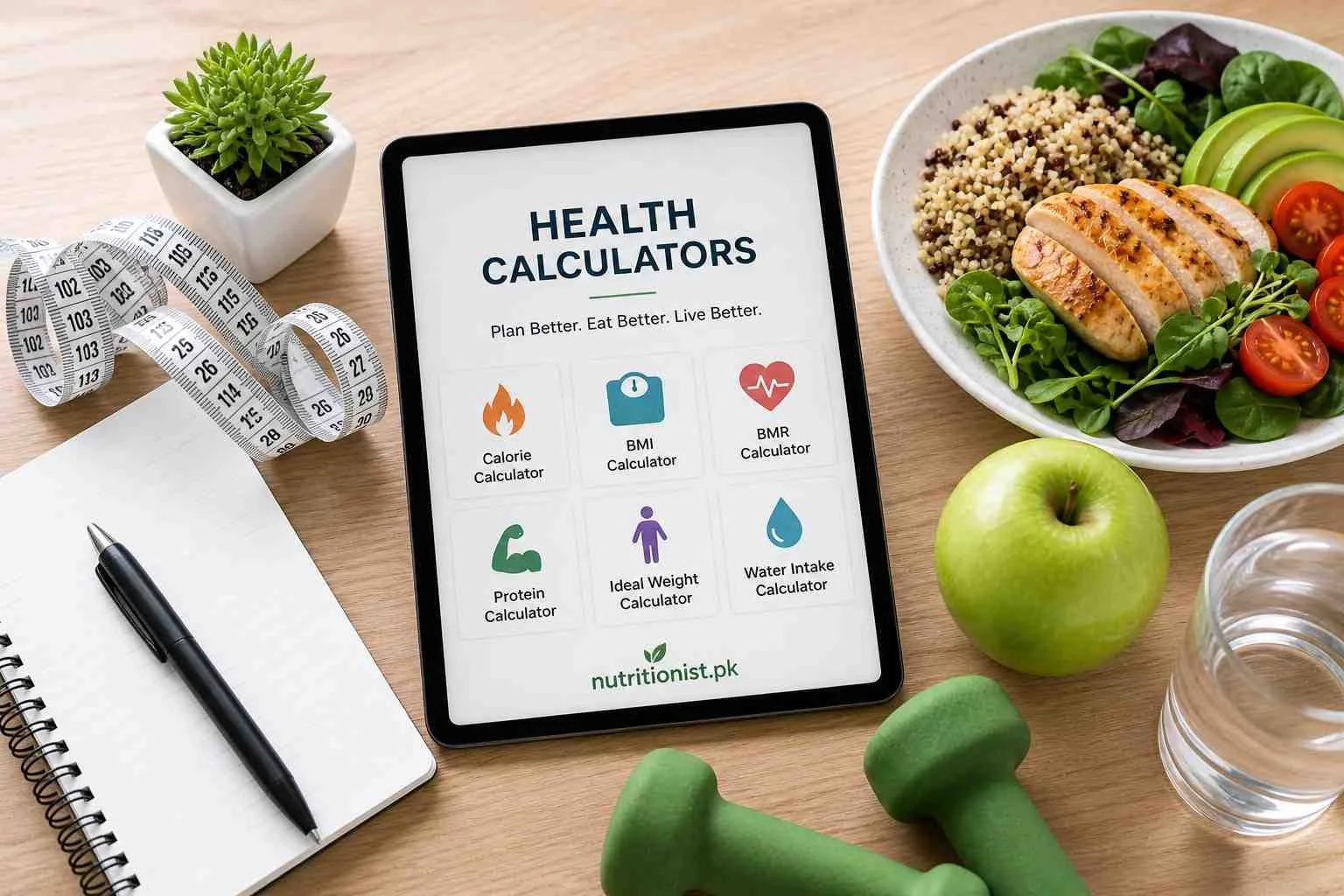
Understanding your health starts with accurate measurements. While regular check-ups with healthcare professionals are essential, using health metrics calculators can help you monitor important aspects of your well-being from the comfort of your home. These digital tools make it easier to assess your body composition, fitness level, calorie needs, heart health, and other wellness indicators.
Whether your goal is weight management, improving fitness, or maintaining overall health, health metrics calculators provide valuable insights that support informed lifestyle decisions.
What Are Health Metrics Calculators?
Health metrics calculators are online tools that use your personal information, such as age, height, weight, gender, activity level, and other measurements, to estimate different health indicators. They simplify complex medical formulas into easy-to-understand results.
These calculators are designed for educational purposes and can help users:
- Track body weight changes
- Estimate healthy weight ranges
- Calculate calorie requirements
- Measure body fat percentage
- Monitor cardiovascular health
- Evaluate metabolic health
- Set realistic fitness goals
Although these tools are highly useful, they should not replace professional medical advice or diagnostic testing.
Why Health Metrics Matter
Tracking health metrics regularly provides a clearer picture of your physical condition. Instead of relying solely on body weight, multiple measurements help identify positive or negative health trends.
Benefits include:
- Early awareness of health risks
- Better nutrition planning
- More effective exercise programs
- Progress tracking during weight loss
- Improved motivation
- Personalized wellness goals
Consistent monitoring allows individuals to make small lifestyle changes before problems become serious.
Common Health Metrics Calculators
Many online calculators focus on different aspects of health. The following are among the most widely used.
Body Mass Index (BMI) Calculator
BMI estimates whether your weight falls within a healthy range based on height and weight.
BMI Categories:
- Underweight
- Healthy Weight
- Overweight
- Obesity
Although BMI is simple and widely used, it does not distinguish between muscle and fat. Athletes with high muscle mass may have elevated BMI despite being healthy.
Body Fat Percentage Calculator
Body fat percentage offers a more accurate picture of body composition than BMI alone.
It estimates how much of your body consists of fat tissue versus lean muscle.
Body fat calculators often use:
- Height
- Weight
- Waist circumference
- Neck circumference
- Hip measurement (for women)
Maintaining healthy body fat levels supports:
- Hormonal balance
- Heart health
- Athletic performance
- Joint protection
Basal Metabolic Rate (BMR) Calculator
Your Basal Metabolic Rate represents the number of calories your body burns while completely at rest.
This energy supports essential functions such as:
- Breathing
- Blood circulation
- Brain activity
- Organ function
- Cell repair
Knowing your BMR helps determine your daily calorie needs.
Total Daily Energy Expenditure (TDEE) Calculator
TDEE estimates how many calories you burn throughout an entire day, including physical activity.
Activity levels usually include:
- Sedentary
- Lightly Active
- Moderately Active
- Very Active
- Extra Active
Many nutrition plans use TDEE calculations for:
- Weight loss
- Muscle gain
- Weight maintenance
Ideal Body Weight Calculator
An Ideal Body Weight calculator estimates a recommended weight range based on height and gender.
Although individual body types vary significantly, this estimate provides a useful reference point for long-term health planning.
Waist-to-Height Ratio Calculator
Research suggests waist-to-height ratio may predict health risks more effectively than BMI alone.
Formula:
Waist Circumference ÷ Height
Higher values may indicate increased risk of:
- Heart disease
- Type 2 diabetes
- High blood pressure
- Metabolic syndrome
Waist-to-Hip Ratio Calculator
This calculator measures fat distribution throughout the body.
People with excess abdominal fat generally face higher health risks compared to those carrying weight around the hips and thighs.
Monitoring waist-to-hip ratio helps assess cardiovascular risk.
Lean Body Mass Calculator
Lean Body Mass estimates everything in your body except fat.
This includes:
- Muscles
- Bones
- Organs
- Water
- Connective tissue
Fitness professionals often use lean body mass to develop personalized training programs.
Heart Rate Calculator
Heart rate calculators estimate:
- Resting heart rate
- Maximum heart rate
- Target heart rate zones
These values help individuals optimize workouts for:
- Fat burning
- Endurance
- Cardiovascular fitness
- High-intensity training
Blood Pressure Risk Calculator
Some health metrics calculators estimate cardiovascular risk based on:
- Blood pressure
- Age
- Smoking status
- Cholesterol levels
- Diabetes history
These tools encourage preventive healthcare by highlighting possible risk factors.
Water Intake Calculator
Proper hydration supports nearly every body system.
Water intake calculators estimate daily hydration needs based on:
- Body weight
- Climate
- Physical activity
- Age
- Pregnancy status
Adequate hydration benefits:
- Digestion
- Kidney function
- Skin health
- Energy levels
- Mental focus
Protein Intake Calculator
Protein calculators estimate daily protein requirements depending on:
- Weight
- Activity level
- Fitness goals
- Age
Higher protein intake may benefit:
- Athletes
- Older adults
- Individuals recovering from illness
- People pursuing muscle growth
Macronutrient Calculator
Macronutrient calculators divide daily calories into:
- Protein
- Carbohydrates
- Fat
Different dietary approaches use varying macro distributions, including:
- Balanced diet
- High protein
- Low carbohydrate
- Ketogenic
- Mediterranean diet
Calorie Deficit Calculator
Weight loss occurs when calorie intake remains below calorie expenditure.
A calorie deficit calculator estimates:
- Daily maintenance calories
- Recommended calorie reduction
- Expected weekly weight loss
Healthy weight loss generally occurs gradually through sustainable eating habits and regular exercise.
Healthy Weight Range Calculator
Unlike a single ideal weight, this calculator provides a healthy weight range based on:
- Height
- Body frame
- BMI guidelines
This broader perspective encourages realistic health goals.
Pregnancy Due Date Calculator
Although not a direct fitness metric, pregnancy calculators help estimate:
- Due date
- Pregnancy week
- Trimester progression
These tools assist expectant parents in planning prenatal care.
Sleep Calculator
Sleep plays an essential role in physical and mental health.
Sleep calculators estimate optimal bedtime based on:
- Desired wake-up time
- Average sleep cycles
- Recommended sleep duration
Better sleep supports:
- Memory
- Recovery
- Immune function
- Mood
- Productivity
Advantages of Using Health Metrics Calculators
Regular use of health metrics calculators offers several important benefits:
- Quick health assessments
- Easy progress monitoring
- Personalized recommendations
- Improved health awareness
- Better fitness planning
- Goal tracking
- Increased motivation
- Convenient access from any device
Most calculators require only a few minutes to complete.
Limitations of Health Metrics Calculators
While these tools are informative, users should understand their limitations.
Results depend on:
- Accurate measurements
- Correct personal information
- Population averages
- Mathematical estimates
They cannot diagnose diseases or replace laboratory testing, physical examinations, or professional healthcare advice.
Individuals with chronic medical conditions should consult healthcare providers before making significant lifestyle changes.
Tips for Accurate Results
To get the most reliable outcomes:
- Measure height accurately.
- Weigh yourself at the same time each day.
- Use a flexible measuring tape for body circumferences.
- Enter correct age and gender.
- Select the proper activity level.
- Update measurements regularly.
Consistency improves long-term tracking accuracy.
Frequently Asked Questions
Are health metrics calculators accurate?
They provide useful estimates based on scientific formulas but are not substitutes for professional medical evaluations.
Which health calculator should I use first?
A BMI calculator, body fat calculator, and calorie calculator are excellent starting points for most adults.
How often should I use health metrics calculators?
Monthly or biweekly tracking is usually sufficient for monitoring long-term progress without becoming overly focused on daily fluctuations.
Can health metrics calculators help with weight loss?
Yes. They help estimate calorie needs, monitor progress, and set realistic goals, making weight management more structured.
Conclusion
Modern health metrics calculators make personal wellness tracking more accessible than ever. From BMI and body fat percentage to calorie needs, heart rate, hydration, and sleep analysis, these tools provide valuable insights into your overall health. While they are not a replacement for professional medical care, they are excellent resources for monitoring progress, setting achievable goals, and encouraging healthier daily habits. By using health metrics calculators consistently alongside balanced nutrition, regular exercise, and routine medical check-ups, you can make informed decisions that support long-term health and well-being.